How to Plan a Multigenerational Trip That Works for Everyone
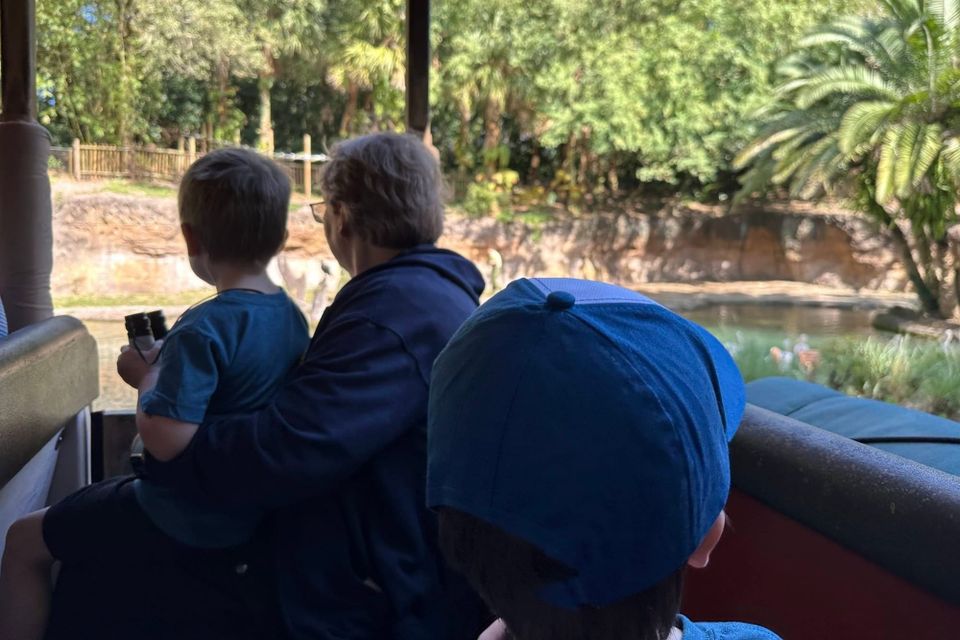
The idea sounds great until you start working out the details. Your 3-year-old wakes at 6am. Your parents don't want to do anything before 9. Your mother-in-law says she'll eat anything, then mentions she can't do stairs. Your dad thinks the itinerary is too packed. You're the one holding the whole thing together.
That's the real work of multigenerational travel. Not the flights or the hotel rooms. The actual work is managing five different ideas of what a good day looks like.
Here's what I've figured out: the trips that work aren't the ones with the most activities planned. They're the ones where someone thought it through before anyone got on the plane.
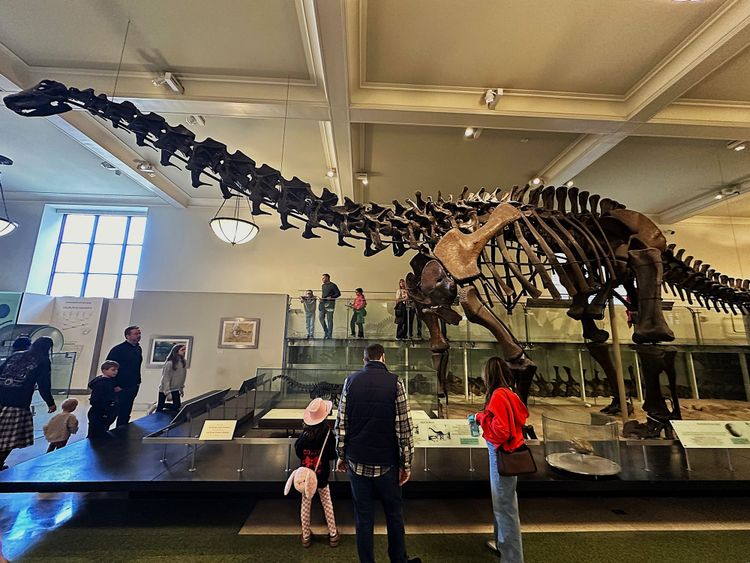
On our last morning in NYC after four days of walking the city with my parents and kids in tow, I quietly started pricing taxis for the eight blocks back to Penn Station, because who would want to pull that luggage all over again?! Well, my parents looked at me like I'd lost my mind: "Why would we pay for a cab? We'll just walk."
Book Earlier Than You Think You Need To
Big vacation rentals that sleep 10 or 12 people book fast. If you're traveling over the summer or a school break, you're looking at 6-9 months of lead time. Not because you need that long to plan, but because the properties that have the best reviews for a group fill first. The ones with enough bathrooms, a kitchen that fits a crowd, and a layout where parents can sleep past when your kids get up while the grandparents entertain them.
The other reason to start early: scheduling across multiple households is always a challenge. Grandparents have their own travel plans. Siblings have sports seasons and school calendars that shift. Finding a window that works for everyone takes a few rounds of back-and-forth, and you want that window locked before you start searching for places.
One practical tip: don't wait for everyone to confirm before you start looking. Know your approximate dates, find a few strong options, and show them to the group. People commit faster when there's something real in front of them.
Talk About Money Before You Book Anything
This is the conversation most people skip. It's also the one that causes the most friction later.
About half of grandparents cover multigenerational trips as a gift. The other half split costs with their adult kids. Neither is wrong. What creates problems is leaving it unspoken until someone feels surprised or put on the spot.
Before anything gets booked, have a direct conversation about: who is covering the rental vs. flights vs. activities, whether meals will be shared expenses or handled by each family separately, and what happens if one household can't afford something the rest of the group wants to do.
A word on splitting the rental fairly. Equal splits sound clean, but they're usually not. The master suite with the private bath and the balcony isn't the same value as the bunk room down the hall. One approach that works: before you book, talk through rough percentages based on what each room actually offers. The primary suite might carry 25% of the nightly rate; a smaller room, 15%. It takes five minutes to do and avoids weeks of low-grade resentment.
For tracking day-to-day expenses, a bill-splitting app saves everyone the mental math. Someone buys groceries, logs it, and the app tracks what everyone owes without anyone keeping score in their head. At the end of the trip, you settle up. Splitwise is the best-known option, though its free tier now caps how many expenses you can log per day, so if you're tracking a lot of small purchases across a week, a fully free alternative like Tricount handles a busy group trip without nudging you toward a subscription.
Pick the Right Accommodation for Your Specific Group
Not every setup works for every group. Here's how to think about it.
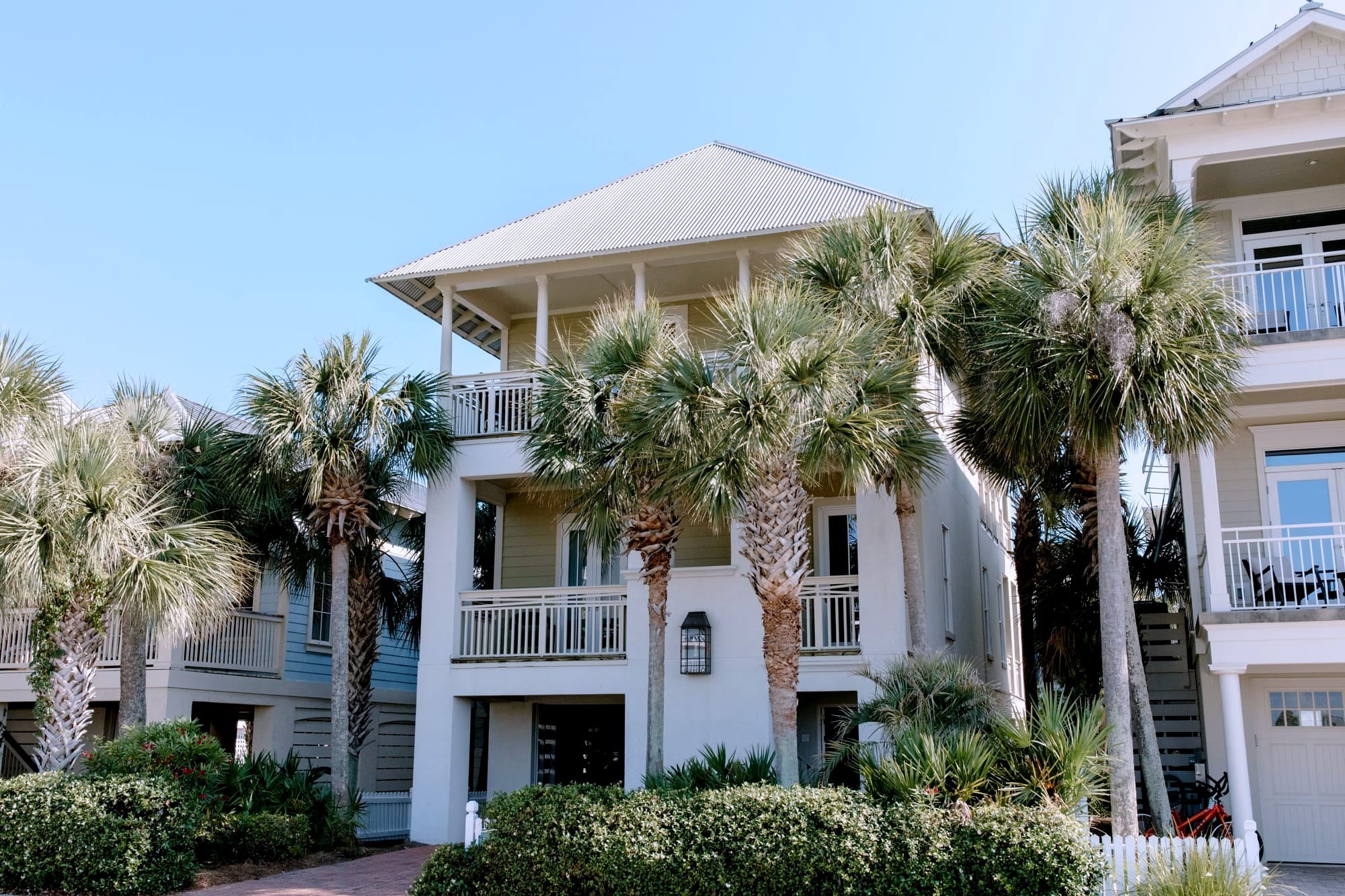
A large vacation rental is the most common choice, and it works well when the group actually wants to spend time together at home base. You get shared space for meals and hanging out, private space for when someone needs a break, and a kitchen that keeps costs down. Grandparents can skip a restaurant dinner without it being a thing. The trade-off: you handle your own logistics, and quality varies more than with hotels.
A family-friendly resort trades shared space for services. If grandparents have mobility considerations, or if you just want someone else to handle the food, a resort simplifies a lot. The pool keeps kids busy while grandparents read. The restaurant is close by. You'll pay more, but you gain flexibility. Worth considering if the grandparents are coming from far away and don't want to navigate a rental setup.
A cruise is worth looking at if you're traveling with grandparents who find transportation logistics stressful or who have limited mobility. There's no transportation to sort out each day, the pace is manageable, and most of the planning is already done. The main trade-off is that you're all in close quarters, which some families love and others find overwhelming.
One rule for any option: try to avoid a setup where people are sharing bathrooms across too many people. Toddlers are slow in the morning. So are grandparents on their own schedules. Don't stack them.
Plan for Two Different Rhythms Running at Once
A toddler's peak energy and a grandparent's need for a rest often land at the same time. Fighting this is exhausting. Working with it is where multigenerational trips actually get good.
The rhythm that works for most groups:
Morning: One shared activity. A museum, a neighborhood walk, a boat tour, a cooking class. This is when grandparents tend to have the most energy, and it's before young kids hit the wall. Keep it to a few hours.
Midday: Lunch together, then split. Kids go down for naps. Grandparents rest. Parents either rest or get a couple of hours to themselves. Nobody is standing in a line at 2pm.
Afternoon and evening: Regroup. Someone picks up a snack. Dinner together.
The key word is "parallel." Not everyone has to do everything together for it to be a good trip. Some of the best moments are the grandparents on the porch reading while the kids play in the yard, and everyone is exactly where they want to be.

Leave More Open Than Feels Right
The urge to fill every day is real when you're trying to make a trip feel worth the effort of getting everyone there. Resist it.
One shared activity per day is usually enough. The rest of the day fills itself. Someone suggests ice cream. Your dad finds a bookstore. Your mother-in-law wants to sit somewhere and watch the kids. These moments don't need to be scheduled. They just need room.
The multigenerational trips that work best look like this: two or three things the whole group is excited about, and then a lot of open afternoons.
Set Expectations Before Anyone Arrives
The conversation nobody has until day three: what does "together" mean on this trip?
Does together mean every meal? Every activity? Or does it mean a few things a day and then everyone has space?
Worth surfacing before you go. Not as a formal meeting. Just a quick check-in: "We're thinking dinner together every night and one activity as a group each day. Does that work for everyone?" You'll find out fast if your mother-in-law was expecting to be glued at the hip, or if she's actually relieved to have breathing room.
Same goes for kids' schedules. If a 7pm restaurant reservation doesn't work around a 7:30 bedtime, better to know that before you book.
The Simple Version
The trips that work are usually simpler than the ones that looked better on paper. One anchor moment a day. Rest built in. Money talked through before anyone feels blindsided. Expectations set before arrival.
You won't get it perfect. No one does. But you'll get something worth more: the trip actually happens, and everyone's still glad they came.