The Weekend Road Trip Formula for Families With Kids (That Actually Works)
Every parent has been there. You're forty-five minutes into a three-hour drive and someone has already asked "are we there yet" twice. The snacks you swore would last the whole trip are gone. And you're wondering why you thought this was a good idea.
Here's the thing: a road trip with kids isn't a shorter version of a road trip without kids. It's a completely different kind of trip. The parents who enjoy them (and there are parents who do) have figured out a formula. Not a perfect formula. Not a stress-free formula. But one that sets realistic expectations, accounts for small bladders and shorter attention spans, and builds in enough small wins along the way to keep everyone moving.
This is that formula.
The Core Principle: The Drive Is Part of the Trip
Before anything else, a mindset shift. On a family road trip, the destination is not the point. The drive is not the obstacle between your family and the destination. The drive is the beginning and the end of the trip. The rest stop where your five-year-old discovered a butterfly. The diner where you ordered something weird and your kid loved it. The moment someone spotted a hot air balloon from the highway. That is just as special as where you are going.
Once you actually believe that, not just say it, everything else gets easier. You stop pushing through when everyone needs a break. You stop treating every stop as lost time. The math changes.
The Formula: Five Rules That Make It Work
Rule 1: Drive Less Than You Think You Can
Here is the number one thing most parents get wrong: they plan the trip based on how far they could drive if they were alone. That's not going to work with kids.
A rough guide by age:
- Ages 0-2: Best for all parties not to exceed 4 hours total.
- Ages 3-5: Cap your driving day at 4 to 5 hours total. That's clock hours of actual movement, not time from when you left the house.
- Ages 6-10: You can push to 5 or 6 hours on a good day.
- Kids of mixed ages: Use the youngest child's limit. The older kids will be fine with more stops.
Pediatric experts recommend stopping every 2 to 3 hours on a day trip for children in car seats. Not just for a bathroom break, but to let small bodies move and stretch. That's the limit before kids get stiff and moods fall apart. Plan around it.
For a weekend road trip, that means your driving radius is roughly 250 to 350 miles from home for a family with young kids. Probably less if you have a toddler in the car. This sounds limiting, and then you look at a map and realize how many good places are within 300 miles of most American cities. The limitation is usually the starting assumption, not the reality.
Rule 2: Plan Your Stops, Not Just Your Destination
Stopping every 90 to 120 minutes sounds like it will slow you down. It doesn't. What slows you down is a child who has hit their limit and is making sure everyone knows it. Planned stops are faster than unplanned crises.
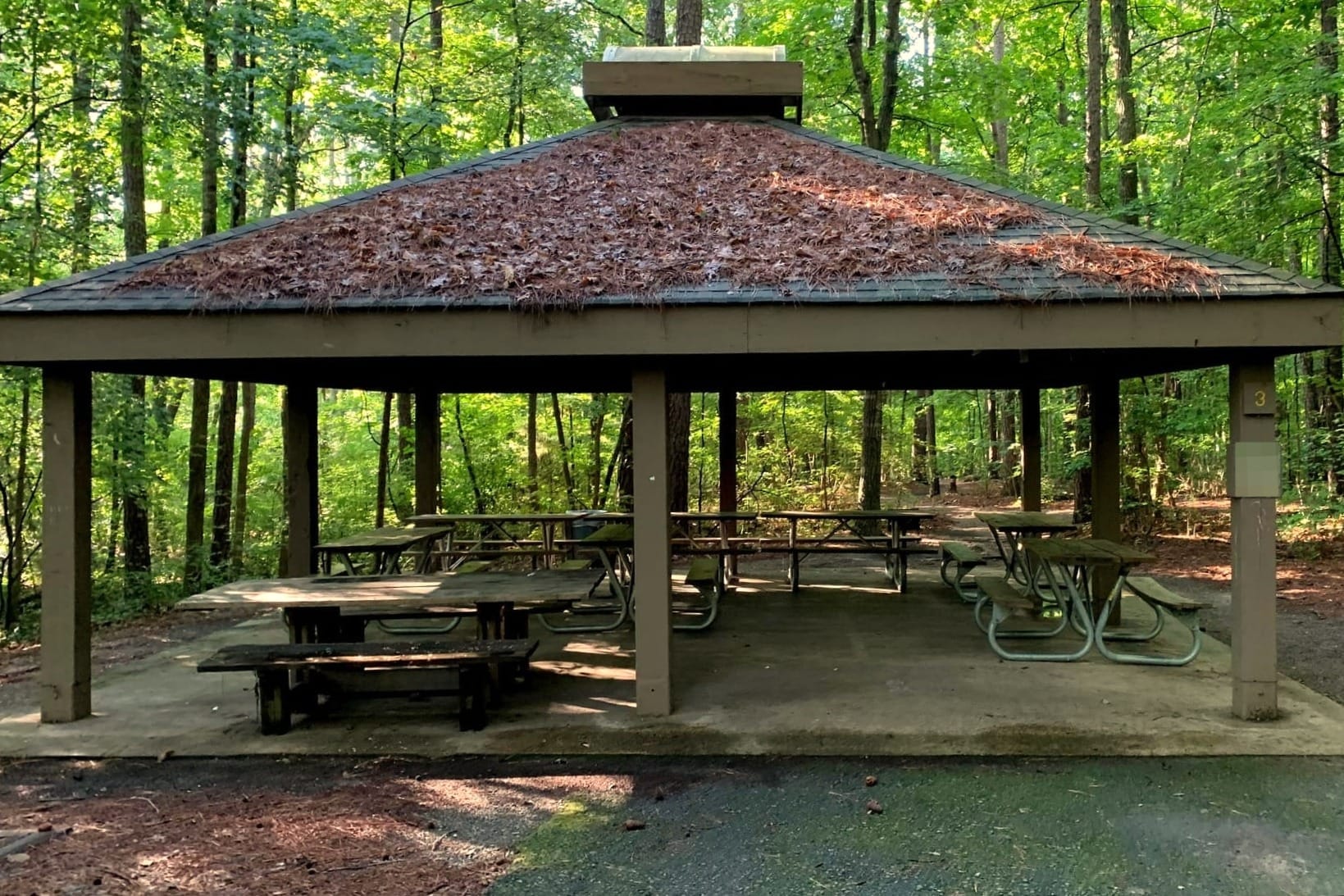
The best stops have two things: a place to run, and a bathroom.
Where to find them:
- pitstopsforkids.com has an interstate directory organized by highway. It lists specific playgrounds, parks, and kid-friendly stops within a short detour of major interstates. Bookmark it before you leave.
- Local parks via Google Maps are often better than highway rest areas. Search "park" in the town nearest your planned stop and you will usually find something with better equipment and more space than a standard rest area.
- Visitor centers are overlooked. They tend to have clean bathrooms, free maps, and sometimes short walking trails or interactive displays. They are almost always uncrowded.
- Rest areas with playgrounds exist on some major interstates. Your state DOT website often lists which ones have playground equipment. Worth fifteen minutes of research before you leave.
Build your stops into the route before you go. Don't wing it. When someone is melting down at mile 90, "I know exactly where we're stopping in 12 miles" is the most powerful sentence in the car.
Rule 3: Pack the Car Like a System
The backseat setup matters more than most parents realize. Here is what works:
The front-of-car grab bag: Keep a separate small bag in the front passenger footwell or accessible from the driver's seat. Inside: wipes, a change of clothes for whoever is most likely to need it, two or three snacks, and a band-aid or two. Do not bury these items in the trunk. The moment you need them, you will need them immediately.
The snack bag: A separate bag from the main cooler, within reach of kids (or easily handed back). Restocking it takes thirty seconds at every stop and prevents the "I can't find it" excavation project mid-highway.
One new toy per kid: Pick up one small, inexpensive item per child at the dollar store before you leave. A new Water Wow book, a small puzzle, a pack of stickers. Save it for the moment the trip needs a reset, usually around hour two. The novelty buys real time.
Audiobooks and playlists, preloaded: Do not count on highway cell service. Download everything before you leave. Age-appropriate audiobooks work better than music for sustained engagement. The Magic Tree House series, Roald Dahl, and the Ranger in Time books are all proven hits for ages 5 to 10. Pick something everyone can half-listen to, not a show only one kid wants.
Rule 4: Feed Everyone Before They're Hungry
Hunger and driving with kids are a bad combination. By the time a child tells you they are hungry, they have usually been hungry for twenty minutes and are already on the wrong side of manageable.
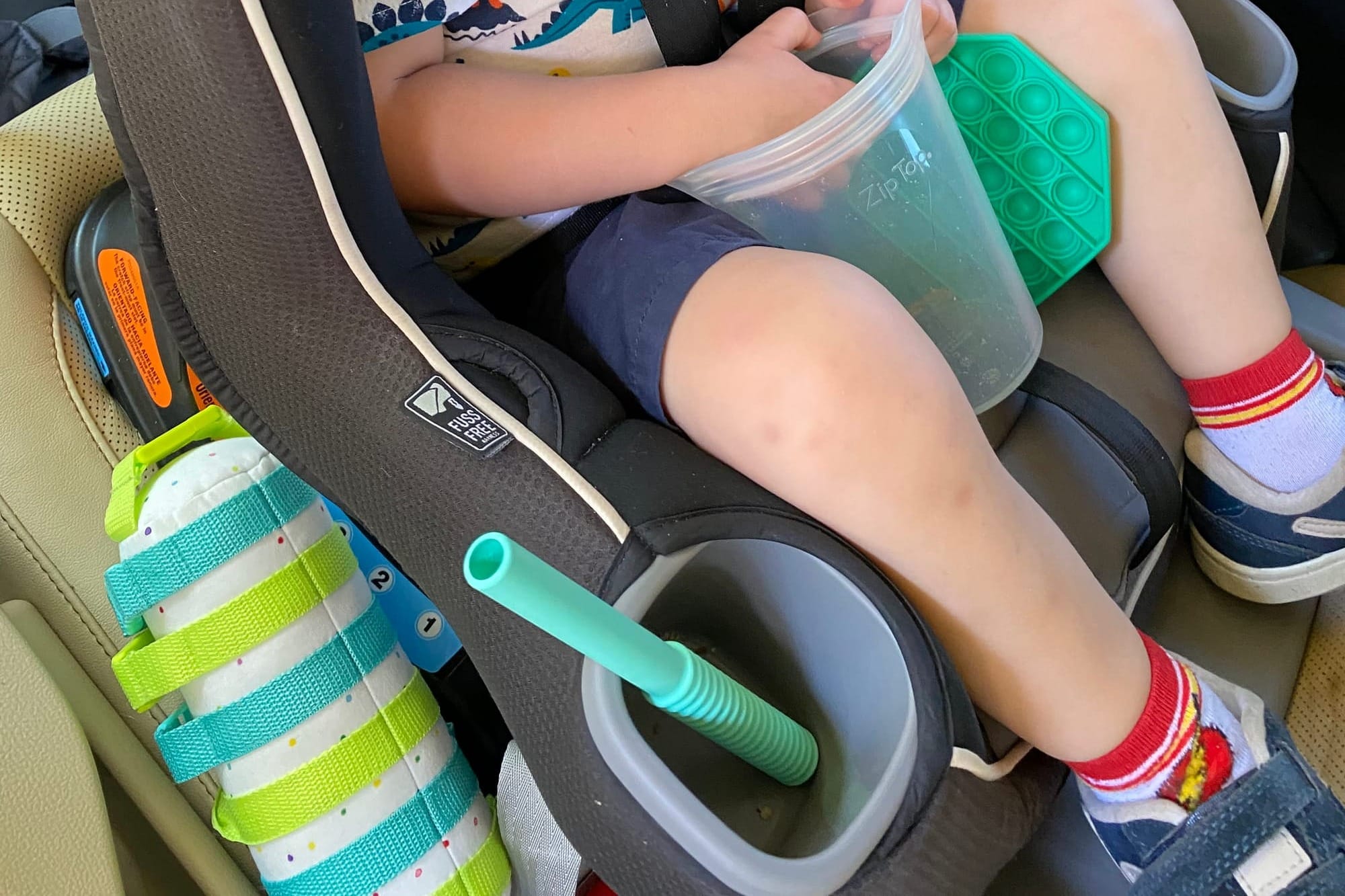
The snack system that works: offer something every 60 to 90 minutes, whether anyone asks or not. Small amounts, not full servings. This keeps blood sugar stable and prevents the hunger-grumpiness spiral.
Snacks that work in the car:
- Cheerios (mess-free, good for toddlers, low stakes if spilled)
- Cheese cubes
- Grapes (halved lengthwise for kids under 5)
- Tortillas with nothing on them (they don't crumble and don't leave residue)
- Mini packs of crackers
- Pouches of applesauce or yogurt for toddlers
- Muffins made at home and frozen: pack them frozen, they thaw by the time you need them
One cooler note: a soft cooler loaded with drinks, sandwiches, and easy lunch items saves a significant amount of money on a multi-day trip. Food is typically the largest variable cost on a road trip, running $60 to $130 per day for a family of four. Bringing lunch for day one cuts that almost in half for the first day's driving.
Rule 5: Build a Payoff Into Every Overnight
If your trip spans more than a weekend and your drive time is going to stretch across more than one day, this is the one that changes the whole trip: book a hotel with an indoor pool.
After a day in the car, kids need to move. A hotel pool gives them 45 minutes of full-body movement that resets their mood, tires them out for sleep, and gives you a natural win to point to all day. "We get to swim tonight" is motivational and the kids will look forward to starting their trip with a splash.
Book the pool hotel first, then build the route based on that. Not the other way around.
The Apps That Actually Help
Two tools are worth downloading before any road trip:
GasBuddy finds the cheapest gas along your specific route. On a long weekend trip, this can save $20 to $40 at the pump. The app also has a trip cost calculator where you enter your vehicle and it estimates total fuel costs before you leave.
Roadtrippers lets you plan a full route with attraction stops, restaurants, and overnight options built in. It shows you what is 10 miles off your route, which is where most of the good stops are. It is not perfect, but it is better than rebuilding your route from a Google search at a rest stop.
The Week Before You Leave
A short checklist that takes about 30 minutes and saves a lot of stress:
- Confirm your driving days are under the age-appropriate recommended hours, not "probably fine"
- Map two to three stops per driving day using pitstopsforkids.com or local park search
- Download your audiobooks and playlists to your phone (don't rely on streaming)
- Build the front-of-car grab bag: wipes, change of clothes, snacks, band-aids
- Pick up one new small item per kid for the "reset moment"
- Book accommodations with a pool if you have an overnight
- Check GasBuddy for your expected gas range and download the app
You don't need a perfect plan. You need a plan that is flexible enough to handle the detour, the rest stop that took 40 minutes, and the unexpected diner that became the best part of the trip.
One More Thing
The family road trips that parents remember (the ones that come up at the dinner table ten years later) almost never go exactly as planned. They're usually the ones where something went sideways in a small way and the family figured it out together. A wrong turn that found a better overlook spot. A lunch stop that turned into a two-hour adventure because the kids found a creek.
The formula is not there to make the trip perfect. It is there to keep the wheels on so there is room for the unexpected to happen.
Pack the grab bag. Stop every two hours. Book the pool hotel. The rest will take care of itself.
Planning a trip to a specific city? If you want a full day-by-day itinerary, including restaurant picks, nap logistics, and what to skip specifically for kids under 6, that's exactly what Every Vacay builds for you. Start planning now.